Art Basel Miami, Global Mobility, and the Legal Pathways That Help International Artists Thrive in the U.S.
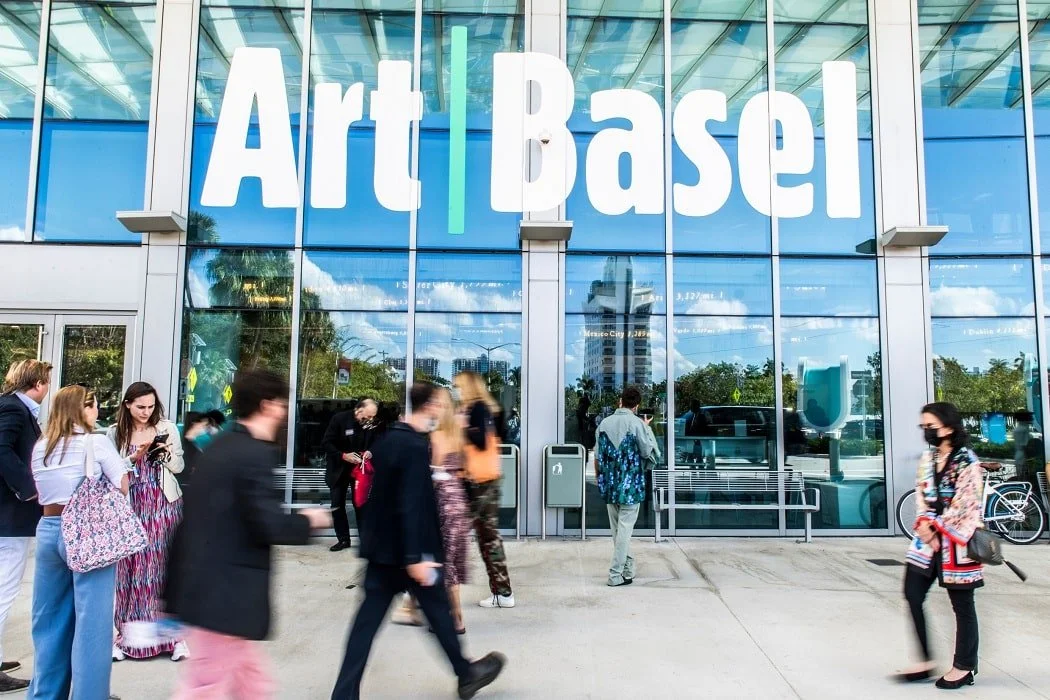
Each year, Art Basel Miami brings the world’s most influential artists, galleries, and collectors together in one vibrant, fast-moving ecosystem. Basel week doesn’t just showcase cutting-edge work—it also highlights how profoundly global the creative economy has become. Yet as international artists share their work across borders, many face a far less glamorous reality behind the scenes: the complex challenge of navigating U.S. immigration law.
For law firms that support creatives, Art Basel offers a timely opportunity to talk about how artists can legally and strategically build a career in the United States.
🎨 Art Basel Highlights a Global Art Market—But Immigration Law Can Be Its Bottleneck
International artists routinely travel to the U.S. for exhibitions, residencies, collaborations, and educational programs. Many hope to translate their Art Basel exposure into longer-term opportunities. But the immigration system has specific, nuanced requirements for artists—and misunderstanding them can jeopardize both future travel and career prospects.
Our role as legal advisors is to help creatives understand their options and present their achievements in a way that aligns with U.S. immigration criteria.
O-1 Visa for Individuals of Extraordinary Ability
The O-1B visa remains the most powerful tool for artists seeking to live and work in the U.S.
To qualify, applicants must demonstrate extraordinary ability in the arts through sustained national or international acclaim. Evidence may include:
Exhibitions at recognized venues (including Art Basel satellite fairs)
Prestigious awards, grants, or fellowships
Critical press coverage
Gallery representation with documented sales
Leading roles in distinguished projects
An O-1 petition functions like a legal portfolio—well-organized, evidence-driven, and tailored to USCIS standards. For many artists who have begun gaining recognition internationally, this is the most suitable nonimmigrant path.
P-1B Visa for Artist Groups and Collectives
For performance groups, musical ensembles, or collaborative artist teams, the P-1B visa provides a strong alternative.
The group—not necessarily each individual member—must demonstrate an internationally recognized reputation. Appropriate evidence can include:
Touring history
Major festival or institutional performances
Recognized awards or nominations
Significant reviews from respected critics
This category is especially valuable for established collectives with a consistent working history.
F-1 Student Visa & OPT for Emerging Talent
Many emerging artists enter the U.S. through accredited art and design programs. The F-1 visa, paired with Optional Practical Training (OPT), allows graduates to work professionally for up to 12 months (and in some cases longer), often serving as a foundation for:
Building an exhibition record
Securing gallery representation
Strengthening future O-1 or EB-1 applications
For younger artists, this route provides both structure and time to develop a competitive portfolio under lawful status.
EB-1A Extraordinary Ability Green Card
For artists with significant career accomplishments, the EB-1A green card offers permanent residence without the need for employer sponsorship.
Applicants must show:
Extraordinary ability
Sustained national or international acclaim
Evidence that their contributions place them at the top of their field
The EB-1A category parallels the O-1 but requires a higher level of achievement. For established artists, this provides a long-term solution aligned with ongoing U.S. creative work.
Short-Term Visits for Exhibitions and Events (B-1/B-2)
Artists traveling to Art Basel or similar events for exhibitions, meetings, or networking may qualify for B-1 business visitor classification. Strict limitations apply—artists cannot receive U.S. employment income or perform services.
Clear guidance is crucial to ensure compliance and protect future visa eligibility.
🌴 How Art Basel Participation Can Support Visa Eligibility
Participation in Art Basel or its surrounding ecosystem can strengthen future immigration filings by providing:
Documented exhibitions at recognized events
Press coverage and industry recognition
Sales or commercial success indicators
High-level professional networking opportunities
When properly documented, these achievements contribute meaningfully to O-1 or EB-1 evidentiary requirements.
🧭 Conclusion: Legal Strategy Helps Creative Talent Move Freely
As the global art world continues to expand, artists need more than creative vision—they need a clear, lawful pathway to develop their careers internationally. With knowledgeable counsel, artists can transform Art Basel visibility into sustainable long-term opportunities in the United States.